Component guide · Three sauces
Three Hainanese Chicken Rice Sauces
Serve the sauces separately: ginger-scallion adds aromatic richness, chile-garlic adds heat and acidity, and dark soy adds sweet-savory depth. Diners can combine them differently with every bite.
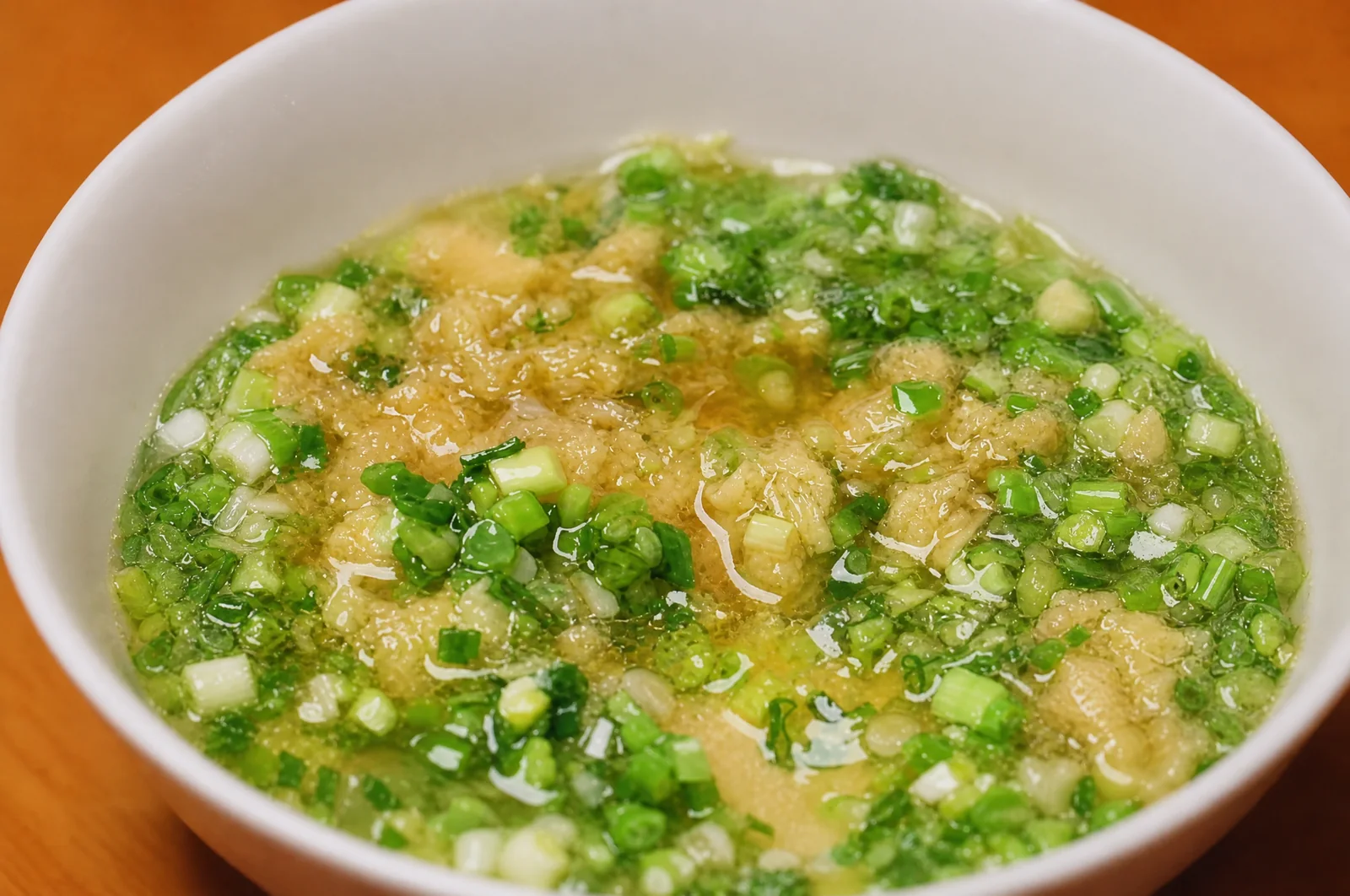
1. Ginger-scallion sauce
- 50 g fresh ginger, peeled and finely grated
- 4 scallions, finely sliced
- ½ teaspoon fine sea salt
- 80 ml / ⅓ cup neutral oil
- Combine ginger, scallions, and salt in a heatproof bowl.
- Heat the oil until shimmering but not smoking.
- Pour it carefully over the aromatics; stir and let stand for 10 minutes.
2. Fresh chile-garlic sauce
- 6 fresh red chiles, roughly chopped
- 4 garlic cloves
- 15 g fresh ginger
- 2 tablespoons calamansi or lime juice
- 2 tablespoons chicken broth
- 1 teaspoon sugar
- ½ teaspoon fine sea salt
Blend everything into a spoonable sauce. Add broth a teaspoon at a time if it is too thick; add more lime if it needs brightness.
3. Dark soy dipping sauce
- 3 tablespoons dark soy sauce
- 1 tablespoon warm chicken broth
- 1 teaspoon sesame oil, optional
Stir together and taste. Dark soy brands vary widely in sweetness and salt, so dilute with a little more broth when needed. Use this sauce in small drops rather than pouring it over the whole plate.
How the three sauces work together
Rich & aromatic
Ginger-scallion
Spoon directly over the chicken.
Bright & hot
Chile-garlic
Dip chicken or mix a little into the rice.
Dark & savory
Dark soy
Add a few drops to deepen a bite.
Storage
These sauces contain fresh aromatics. Make small batches, refrigerate promptly in separate clean containers, and use within 3 days. Discard sauce that has been left at room temperature for more than 2 hours.
Storage context: USDA leftovers and food safety.